 English
  Suomi
Suomi Svenska
 Français
Introduction
Cardiopulmonary resuscitation (CPR) knowledge and practical skill requirements go cardiovascular response beyond specialized medical fields into the crucial realm of responsible citizenship. Unquestionably, properly executed CPR can save countless lives after sudden cardiac arrest. However, the operational effectiveness of these life-saving techniques depends heavily on how frequently and rigorously they are maintained.
This guide explores a frequently asked question among healthcare professionals and safety officers: “How often is a CPR refresher needed?” The critical imperative to update these essential medical competencies occurs at the exact intersection of occupational health, skill retention, and immediate readiness. As we examine this topic, we will explore the ideal structure of a CPR refresher course, the required elements of a thorough session, and the importance of modern training supplies—such as AEDs and the ileria CPR feedback device—in maintaining high-quality resuscitation standards.
How Often Should You Refresh Your CPR Skills?
Determining how often emergency skills should be reviewed is crucial, as it directly impacts both personal preparedness and community safety. Once mastered, lifesaving skills are a flexible asset that has the greatest clinical impact when kept at a high degree of proficiency. Given the inherent physical complexity of resuscitation techniques and the dynamic nature of medical guidelines, occasional refresher training is essential.
While specific requirements vary across regions, international medical authorities generally agree that certification should be updated at least every two years. This recommendation ensures that responders stay consistent with the latest resuscitation procedures, which are routinely updated to reflect the most recent clinical findings. However, certain high-risk professions—such as healthcare providers, lifeguards, and first responders—may require more frequent monthly or annual training.
Ultimately, keeping your emergency response knowledge current demonstrates a dedication to personal readiness and the preservation of human life during unexpected medical emergencies.
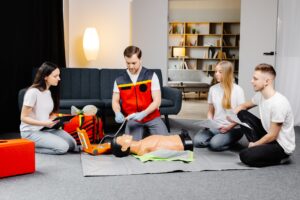
What Is Involved in a CPR Refresher Course?
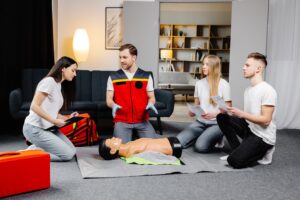
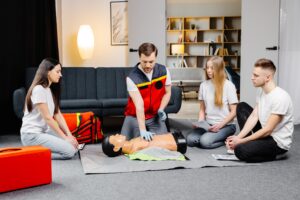
A dedicated CPR refresher course is a streamlined but crucial training program used to quickly brush up on the physical skills needed for effective resuscitation. These educational courses are designed specifically for individuals who have already received their primary certification but want to ensure their hands-on knowledge is completely current.
Typically shorter in length than initial certifications, these targeted sessions review the fundamental building blocks of safety:
-
Emergency Identification: Recognizing sudden cardiac arrest and ensuring scene safety before approaching.
-
Practical Skill Application: The main focus remains on hands-on practice, where participants utilize advanced medical tools like the ileria CPR feedback device and Automated External Defibrillators (AEDs) to refine chest compressions and rescue breathing.
-
Muscle Memory Retention: Frequent physical practice builds the internal confidence needed to act decisively under heavy pressure.
-
Guideline and Protocol Updates: The course comprehensively covers any recent changes in global resuscitation protocols, ensuring learners are well-equipped to handle crises according to the latest standards.
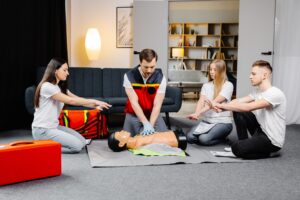
Essential CPR Training Equipment & Technology
In addition to knowing how often a CPR refresher course should be conducted, it is important to stay informed about the modern tools used in modern training environments. Essential high-quality equipment includes:
-
CPR Training Manikin: Lifelike medical tools used to practice real-world compressions and breathing for adults, children, and infants.
-
CPR Face Shields or Masks: Sanitary barriers that assist in preventing the spread of germs during ventilation practice.
-
Automated External Defibrillator (AED) Trainers: Devices that simulate the exact operation of real AEDs to practice safe defibrillation steps.
-
ileria CPR Feedback Devices: These smart tools provide trainees with immediate, real-time feedback on the effectiveness of their compressions. By measuring compression depth, pace, and recoil, they aid students in achieving peak resuscitation performance.
-
Barrier Tools: Including medical gloves and shields to protect both the rescuer and the victim during active training.
-
Choking Vests: Specialized physical trainers used to practice the Heimlich maneuver or abdominal thrusts safely.
By utilizing these essential materials during a CPR refresher course, learners can develop and maintain the vital muscle memory required for effective cardiopulmonary resuscitation. At ileria, we emphasize that staying current with both your training intervals and your equipment technology is the definitive key to making a life-saving difference when it counts most.