 English
  Suomi
Suomi Svenska
 Français
In emergency scenarios involving cardiac arrest or respiratory failure, knowing when to start CPR (Cardiopulmonary Resuscitation) is crucial for preserving life. This guide explores the scenarios that necessitate CPR, emphasizing the critical value of a rapid response. Recognizing the absence of vital signs—specifically the cessation of normal breathing and responsiveness—is the primary trigger for initiating life-saving measures.
Determining the Need for CPR
Sudden cardiac arrest, unconsciousness, choking (post-fainting), electrical injuries, drowning, drug overdose, and suffocation are common scenarios that require immediate intervention. By understanding these situations, responders can react efficiently to life-threatening events. Early initiation significantly enhances the chances of a successful outcome, underscoring that in an emergency, time is brain.
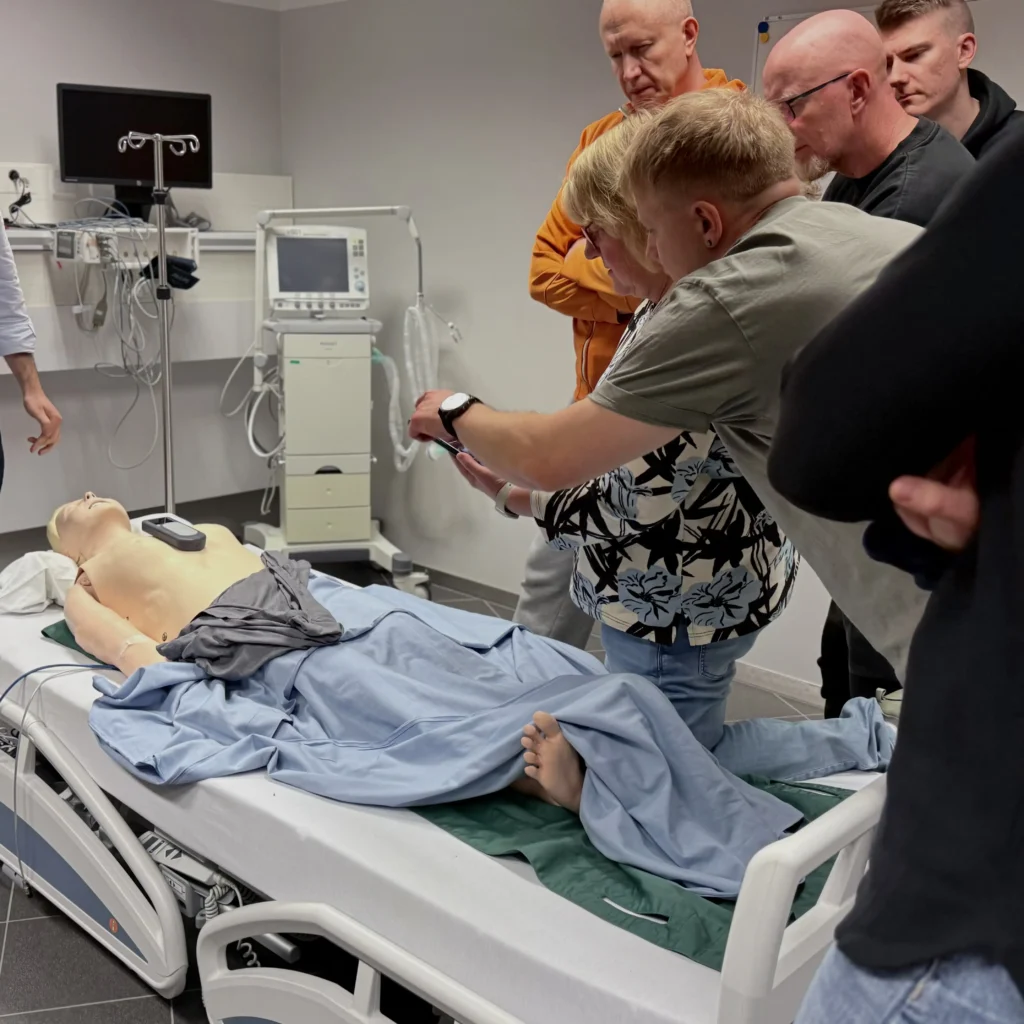
Modern technology now assists responders in these moments. Devices such as the Automated External Defibrillator (AED) and the ileria CPR feedback device play a vital role in ensuring that even under high stress, the quality of resuscitation remains high according to international AHA Guidelines. Understanding exactly when to start CPR is key to maximizing these clinical outcomes.
Evaluating the Victim
A quick assessment is essential. Follow these steps to determine when to start CPR:
-
Check Responsiveness: Tap the person firmly on the shoulder and shout loudly.
-
Call for Help: If there is no response, immediately dial emergency services (or direct a bystander to do so) and retrieve an AED if available.
-
Check Breathing: Observe the chest for at least 5 but no more than 10 seconds. If the person is not breathing or only gasping (agonal breaths), prepare to start CPR.
-
Pulse Check: While professionals may check for a pulse, bystanders should not delay CPR if the victim is unresponsive and not breathing.
Initiating CPR: A Step-by-Step Guide
Commence chest compressions immediately upon realizing the absence of regular breathing.
-
Hand Placement: Place the heel of one hand in the center of the chest with the other hand on top.
-
Compression Quality: Push hard and fast. Aim for a depth of 2 to 2.4 inches (5–6 cm) and a frequency of 100–120 compressions per minute.
-
Feedback: Using a tool like the ileria CPR feedback device can help you maintain the correct depth and rhythm by providing real-time data.
-
Rescue Breaths: If trained, provide 2 breaths for every 30 compressions. If untrained, continue with “Hands-Only CPR” until help arrives.
Scenarios Requiring CPR
Knowing when to start CPR depends heavily on recognizing these specific life-threatening scenarios:
-
Unconsciousness: If a person is unresponsive and fails to breathe properly, CPR is essential to maintain blood flow to the brain.
-
Cardiac Arrest: When the heart abruptly stops, CPR acts as a manual pump to circulate oxygenated blood.
-
Choking: If a choking victim loses consciousness, immediately transition from the Heimlich maneuver to CPR to help clear the airway and maintain circulation.
-
Electrocution: Once the power source is safely disconnected, initiate CPR if the victim is unresponsive and pulseless.
-
Drowning: Focus on delivering oxygen. Start CPR as soon as the victim is out of the water and on a flat surface.
-
Drug Overdose: Opioids can cause respiratory arrest. CPR sustains the patient until emergency medical services can administer reversal agents.
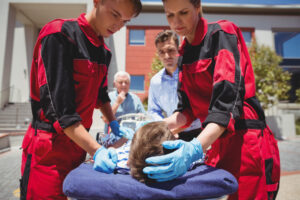
When Not to Perform CPR
It is equally important to recognize when CPR is not appropriate. Responders should respect legal Do Not Resuscitate (DNR) orders or Physician Orders for Life-Sustaining Treatment (POLST). Additionally, CPR is not initiated if there are clear, irreversible signs of demise. Understanding the principle of medical utility ensures that interventions are both ethical and appropriate.
Equipment Used in CPR
While manual technique is the foundation of resuscitation, specialized tools improve survival rates:
-
CPR Masks: To provide safe rescue breaths.
-
AEDs: To shock the heart back into a normal rhythm.
-
ileria CPR Feedback Device: To monitor compression quality and ensure the rescuer is pushing correctly.
-
Bag-Valve-Masks (BVM): Used by professionals for advanced airway management.
Conclusion
Understanding when to start CPR is the first step in the chain of survival. This guide empowers you to act decisively. Through prompt action, proper technique, and the use of supportive technology like ileria, you can provide the best possible chance for a life to be saved.