

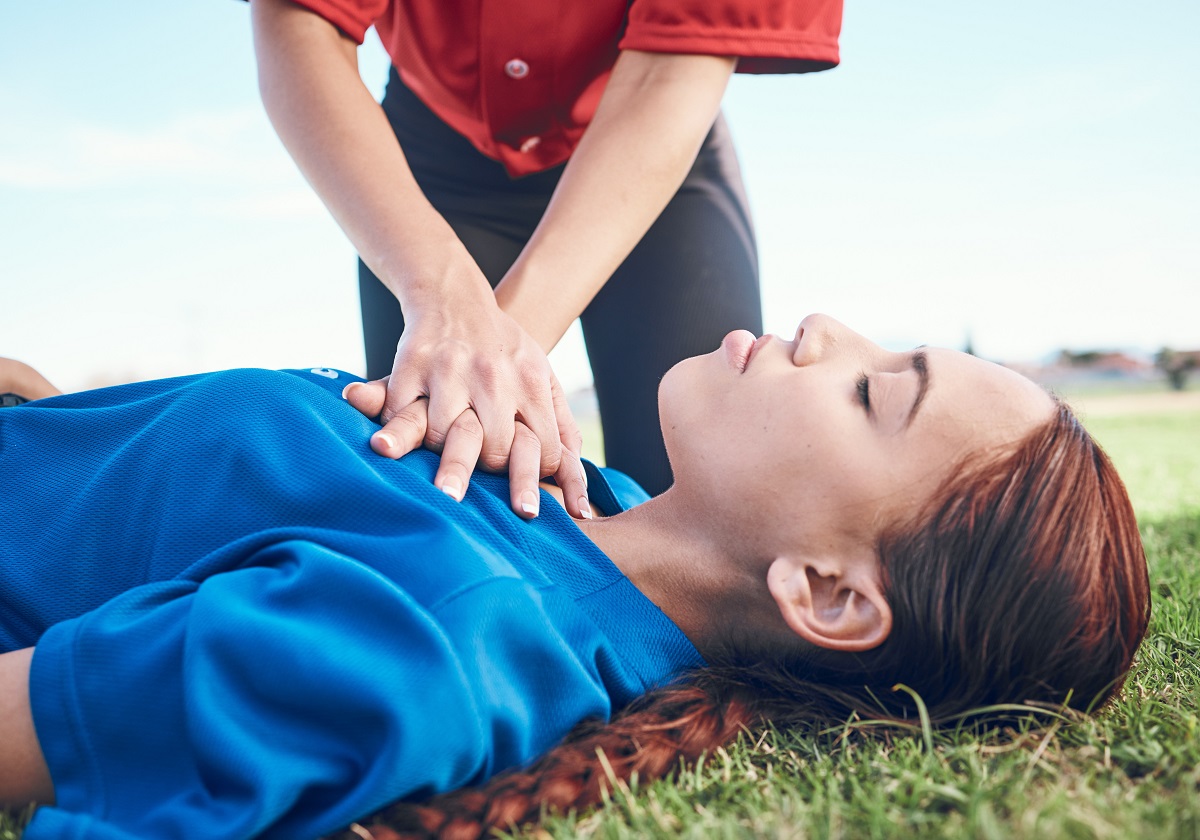
To truly appreciate modern medicine, one must understand how CPR works in the body as a life-saving miracle. While many inventions are now taken for granted, cardiopulmonary resuscitation remains a critical technique that, due to its stunning simplicity, is sometimes disregarded. What truly occurs inside the body of the person being saved from certain death during CPR?
Everyone has seen it on television and in movies. Someone grabs at their left arm or chest as they stumble and fall to the ground, either asleep or in excruciating pain. Someone educated, possibly a doctor, flies in to take over. They perform the cardiopulmonary resuscitaion, or CPR, technique known as chest compressions and mouth-to-mouth assisted ventilation.
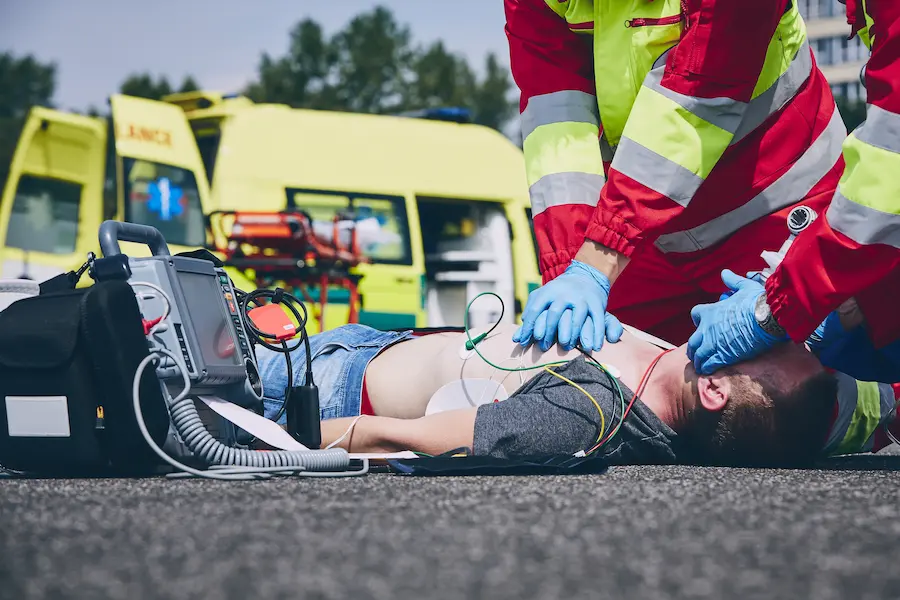
Sometimes, the basic life-saving procedures are taken up by the emergency medical technicians. Sometimes, generally while someone is drowning, vocal encouragement such “Don’t you die on me, damn it!” is given after chest compressions and mouth-to-mouth. At this point, the victim stops coughing violently, spits up some water, and starts breathing normally again. In some cases, they even make it to the story’s climax. The first responders are punctual and don’t appear to tire, and everything is well ordered up there on the screen. The whole thing wraps up in time for late-night talk programs.
Therefore, even though most people are aware of what CPR looks like and are somewhat familiar with the procedure involved, very few people ever take the time to inquire as to how CPR works in the body. We will examine the inner workings of CPR in this article, highlighting the crucial information regarding cardiac events and the efficacy of this life-saving technique. Join us on this trip as we explore the nuances of CPR and uncover the amazing mechanisms at work when it comes to saving lives.

How CPR works in the body
It’s crucial to realize how CPR works in the body; When a person’s heartbeat and breathing have ceased, cardiopulmonary resuscitation (CPR) is used to sustain blood flow and oxygen supply to essential organs, particularly the brain. The first step in this crucial emergency response is to realize that the sufferer is not breathing regularly and is not responding to your commands. CPR is then started in order to restart oxygen and blood delivery.
How CPR works in the body involves physically giving rescue breaths and chest compressions to sustain vital life functions. The chest compressions assist in circulating oxygenated blood throughout the body at a pace of 100 to 120 compressions per minute, supplying the brain and other key organs with essential nutrients and oxygen. This briefly replaces the heart’s natural pumping motion when it stops beating naturally.
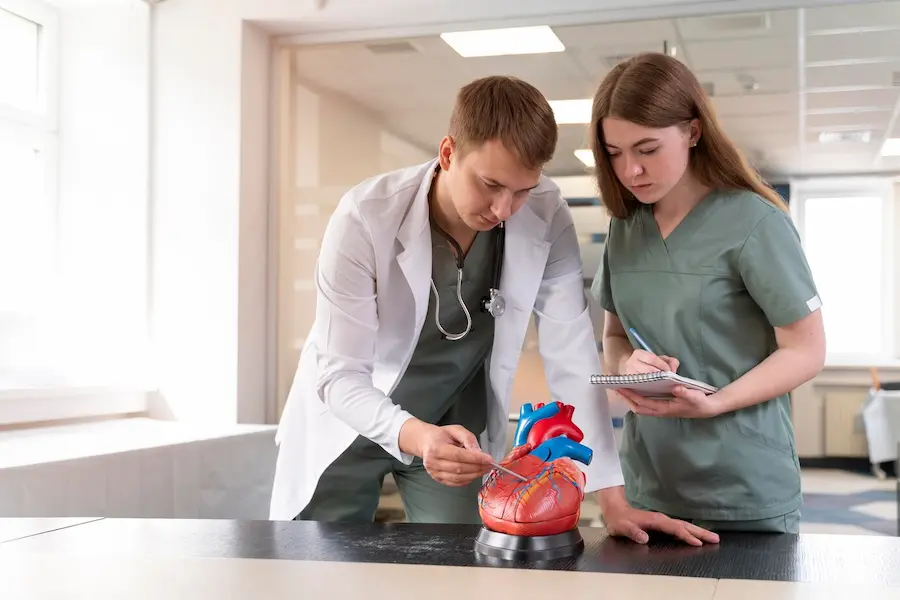
The victim will obtain enough oxygen thanks to the rescue breaths, which are given in between chest compressions. This procedure helps to oxygenate the victim’s blood and guards against brain damage brought on by lack of oxygen. The foundation of CPR is made up of chest compressions and rescue breaths, which are essential in maintaining the body’s important processes until more sophisticated medical assistance is available. CPR increases the window of opportunity for effective resuscitation, particularly in sudden cardiac arrest situations when every second counts in averting permanent harm and boosting the odds of survival.
It’s crucial to be aware that CPR should only be performed by qualified professionals because inappropriate approaches might have negative effects. CPR bridges the time between the loss of these vital processes and the arrival of expert medical assistance by temporarily replacing the heart’s pumping motion and the lungs’ oxygenating function.
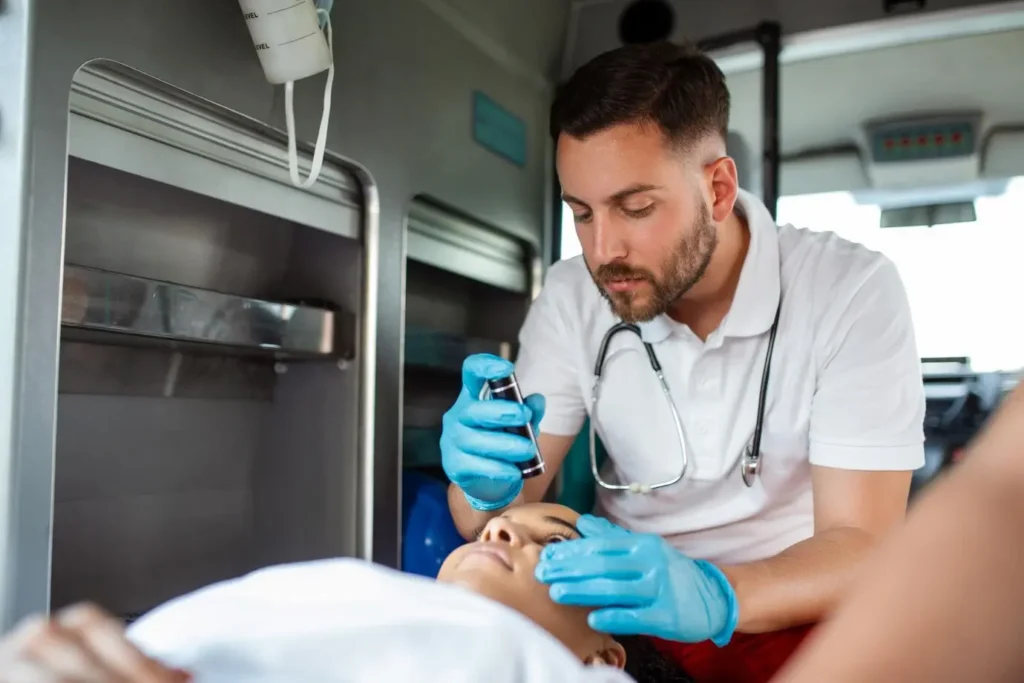
CPR may be physically demanding and skillful in real life, despite how simple and even glamorous it may appear in movies and television shows. It’s essential to learn how CPR works in the body, perform CPR effectively and accurately. Notably, prompt commencement and early identification are frequently necessary for CPR to be effective. The likelihood of a successful result increases with the speed at which CPR is initiated following a cardiac episode.
CPR Facts – Cardiac Events
Here are a few crucial CPR facts that emphasize how CPR works in the body in case of a cardiac emergency. CPR, sometimes referred to as cardiopulmonary resuscitation, is a vital technique that can save lives in a variety of cardiac emergencies, including sudden cardiac arrest, heart attacks, and other heart-related crises. These incidents can happen suddenly and to people of various ages, refuting the common belief that they mostly afflict the elderly.
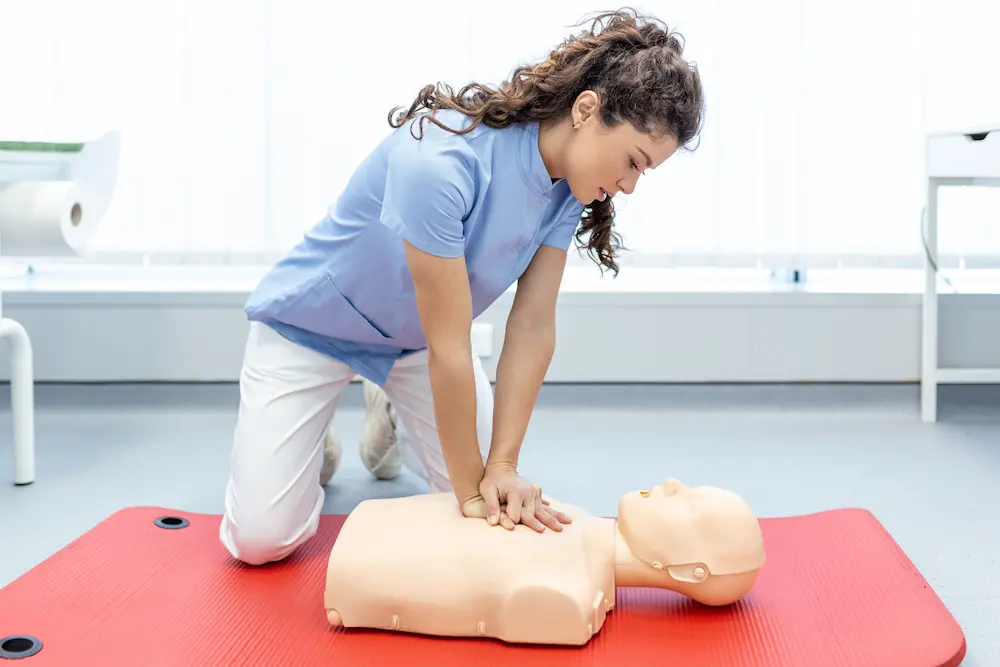
One of the core principles of CPR is that time becomes crucial when the heart stops beating efficiently, blocking blood flow to vital organs.The odds of life are greatly increased by high-quality chest compressions, which is the core of how CPR works in the body by replicating the heart’s pumping motion.The efficacy of CPR is increased by technological innovations like the ileria company’s CPR feedback device, which provides real-time feedback on chest compressions.
The need for early CPR commencement, the use of Automated External Defibrillators (AEDs), and correct training for efficient CPR are also emphasized in these CPR facts. These rules protect persons who give CPR in good faith and lessen liability worries. It can be physically demanding to do CPR since it calls for using all of your body’s power and weight. CPR interruptions must be kept to a minimum to sustain blood flow and lower the chance of brain injury. Maintaining up-to-date knowledge of the most recent recommendations and methods guarantees readiness to act quickly in the event of a cardiac emergency.
How Often Does CPR Work?
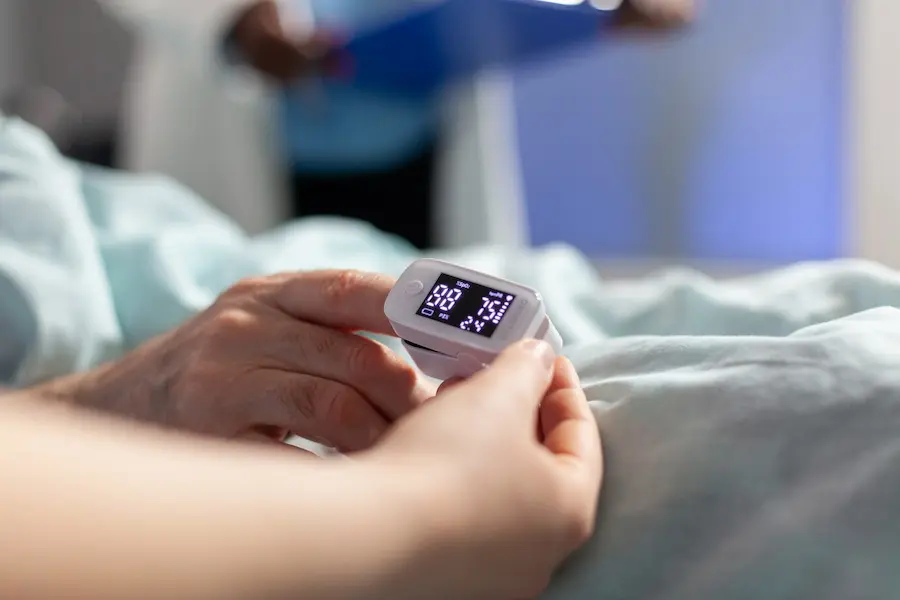
The conditions, the person’s general health, and how fast CPR is started are some of the variables that affect the success rate of CPR. In general, quick, effective CPR can increase a person’s odds of surviving a cardiac episode by doubling or tripling them. For instance, quick CPR followed by defibrillation using an Automated External Defibrillator (AED) and CPRmeter can be quite helpful in situations of sudden cardiac arrest, where the heart abruptly stops beating and the rapid understanding of how CPR works in the body becomes a lifesaver.
The overall success rate of CPR can still differ significantly, and it can be anywhere between 10% and 30% or more, depending on the circumstance, the accessibility of medical aid, and the standard of CPR performed. Regardless of the numbers, it’s important to keep in mind that CPR provides a vital lifeline in cardiac crises and, when performed immediately and efficiently, can significantly reduce the risk of death.
Further Reading
- American Heart Association (AHA): Learn more about CPR guidelines and statistics.
- Mayo Clinic: Understand the basics of CPR.
- Ileria: Discover the CPR feedback device.
- Centers for Disease Control and Prevention (CDC): Explore cardiac arrest statistics.
- https://www.cdc.gov/heartdisease/index.htm (You might need to navigate within their site for specific statistics)

Leave a Reply