


Cardiopulmonary Resuscitation (CPR) is a medical procedure that is well-known for saving lives and is highly regarded for its capacity to revive people who have suffered cardiac arrest or respiratory failure. It is crucial to carefully examine the potential physiological consequences of this crucial intervention while pursuing the immediate goal of restoring oxygen- and circulatory-supporting capabilities. The following question is particularly pertinent within this scope: Can CPR cause blood in lungs?
In this research, we undertake a thorough examination of the complex world of CPR, including any potential negative effects. We also unveil the “CPR feedback device,” an inventive supplementary gadget designed to improve the accuracy and effectiveness of this crucial life-saving technique.
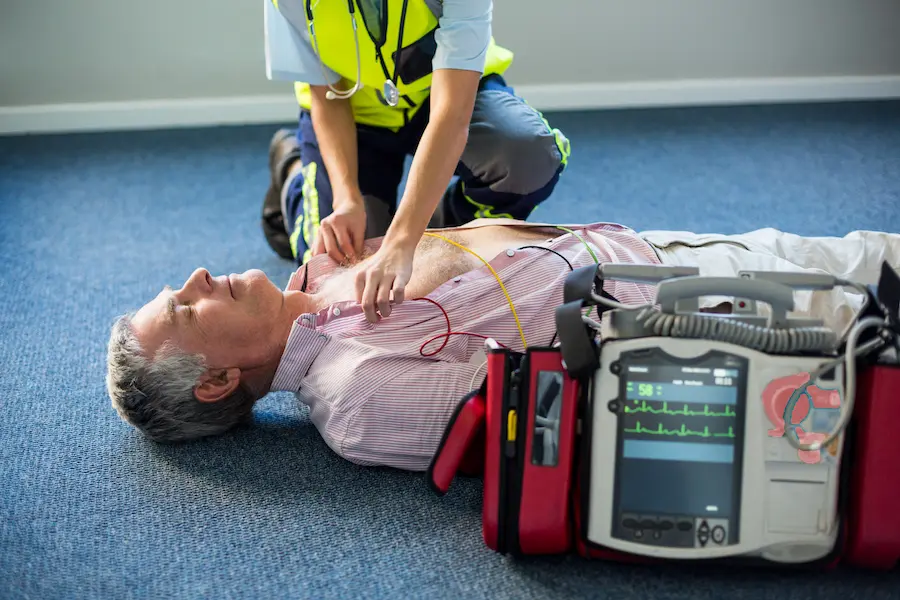
Can CPR cause blood in lungs?
In cases of cardiac arrest or compromised respiration, the basic life-saving technique of (CPR) is used. While restoring appropriate perfusion and oxygenation is the main goal, it is crucial to manage any concomitant problems that might develop. A significant question about these difficulties is Can CPR cause blood in lungs?
The biomechanics of CPR, which involve applying strong external pressure across the sternum, have the potential to put stress on the fragile pulmonary structures by their very nature. This mechanical disturbance has the potential to cause pulmonary break down which would then allow blood to extravasate into the lung parenchyma and cause pulmonary bleeding. Numerous anatomical research and clinical reports have emphasized how likely this phenomenon is and consequently Can CPR cause blood in lungs.
Additionally, it is crucial to understand that while CPR is a necessary intervention, careful attention to good technique and ongoing evaluation of its risks and benefits are necessary to reduce the possibility of negative consequences, such as pulmonary bleeding. The research on the connection between CPR and pulmonary bleeding, in conclusion, serves as a reminder of the complex interplay between resuscitative efforts and potential complications, highlighting the necessity of keeping both alertness and proficiency in this life-saving strategy.
other common side effects of CPR
Vomiting and Aspiration: For cardiac arrest sufferers who are unconscious and unable to expel their vomit, aspiration and vomiting during CPR are serious risks. Vomit can enter the lungs and cause serious problems if it is not quickly evacuated. As a result, the patient’s already serious condition may become more complicated by aspiration pneumonia, which occurs when stomach contents enter the lungs and create an environment that is favorable for an infection caused by stomach germs. To avoid issues like these, airway control during CPR must be effective. effective airway control is vital to prevent these complications and manage the risks associated with the question: Can CPR cause blood in lungs?

Skeletal Chest Injuries: Rib fractures are a common bone injury sustained during CPR because of the intense compressions needed to keep the blood flowing. Even though they hurt, these fractures are typically accepted to maintain critical circulation during cardiac arrest. Even though they are less frequent, sternal fractures do happen, highlighting the significance of good technique and responder training.
CPR must be performed precisely because it can, in rare cases, harm internal organs or blood vessels. The choice to do CPR must carefully weigh the hazards versus the urgency of the circumstance, giving greater chances of survival priority. While rib fractures are common, medical staff must also monitor if can CPR cause blood in lungs as a secondary trauma.

Internal Brain Injuries: CPR can cause problems with the brain even though it is crucial for circulation. The risk of long-term brain injury increases during CPR because the brain may receive 5% less oxygen than usual. The essential window for potential brain injury usually occurs within 4 to 6 minutes after cardiac arrest, with the risk increasing the longer the heart is in an arrhythmic state. Brain injury can have significant, long-lasting implications on one’s health.

Abdominal Distension: One typical side effect of CPR is abdominal distension. Effective breathing might be difficult when the lungs are forcefully insufflated with air during chest compressions. Additionally increasing the likelihood of vomiting, having a full stomach complicates resuscitation. Responders must tackle these difficulties quickly while balancing the need for adequate breathing with the risk of abdominal distension.

what is CPR feedback device
The CPR feedback device is an advanced medical tool used to improve the accuracy and efficacy of cardiopulmonary resuscitation (CPR) techniques. This sophisticated instrument ensures that chest compressions follow predetermined rules by providing real-time data on crucial CPR parameters, such as compression depth and pace. The CPR feedback device aids medical professionals and first responders in maintaining the proper compression depth and pace by providing prompt visual and auditory indications, thus enhancing the effectiveness of CPR. It frequently records data for post-event analysis and smoothly integrates with resuscitation recommendations, making it an essential tool for boosting survival rates in cardiac arrest scenarios.
A cutting-edge medical device called the CPR feedback device, created by ileria, is revolutionizing the area of cardiopulmonary resuscitation (CPR). Due to its great mobility, CPR can be administered successfully in ambulances or during patient transfers. Because of its waterproof construction, which allows it to operate in water up to two meters deep, it may be used safely in aquatic conditions in places like beach and swimming pools.
Additionally, the CPR feedback device’s impressive temperature range of -30 to +50 degrees Celsius ensures its dependable functioning in harsh circumstances. By providing unmatched flexibility, durability, and adaptability to improve the quality of CPR delivery and ultimately improve patient outcomes, these special qualities make the CPR feedback device an invaluable instrument.The ileria device ensures accuracy, helping to minimize risks and answering the common worry: Can CPR cause blood in lungs?


Leave a Reply