
 English
 Suomi
 Svenska
 Français
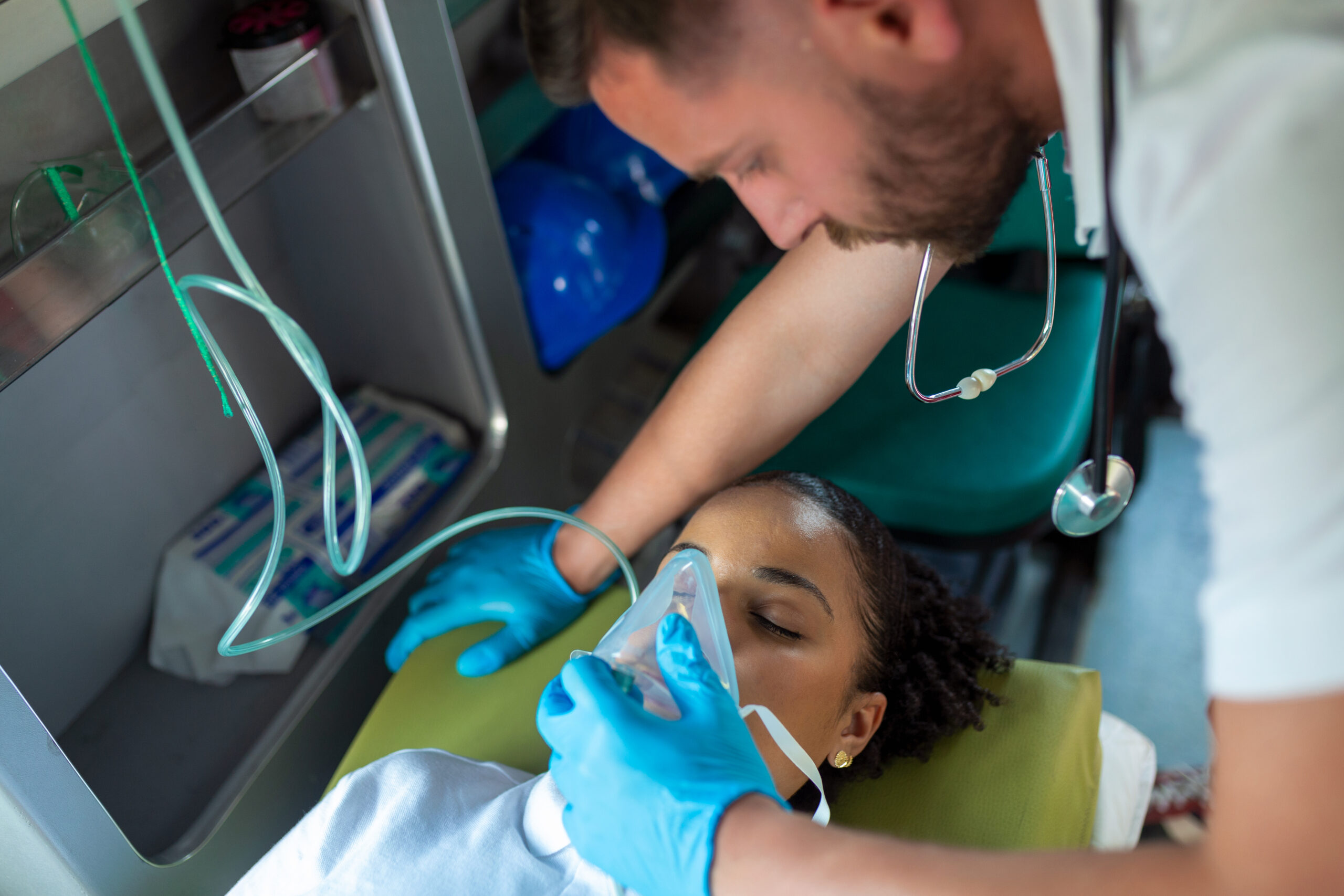
Introduction
What happens after four minutes of CPR when no pulse can be found? In moments of crisis, the effectiveness of rescue breathing and chest compressions becomes the ultimate factor in survival. A frequent and distressing question arises: “Is there hope if, after four minutes of intervention, no pulse can be found?” This article explores the physiological challenges of this timeframe and the resilience that can lead to successful revival.
Rescue breathing and compressions are the dual pillars of CPR. While breathing supplies oxygen, compressions circulate that oxygen to the brain. Understanding how to navigate the critical first minutes is essential for every responder.
The Critical Four-Minute Window
The first four minutes are often described as the “golden period” because brain damage typically begins after 4 to 6 minutes of oxygen deprivation. However, this does not mean hope is lost at the four-minute mark.
Minute 1: The Rapid Response
Immediate action is essential. The first minute involves initiating CPR—combining rescue breathing with chest compressions. Early intervention significantly increases the chances of a positive outcome by preventing irreversible cellular damage.
Minute 2: Assessing and Activating EMS
As the second minute progresses, responders must ensure that emergency services have been activated. At this stage, you may monitor for minor signs of improvement, such as changes in skin color or gasping, but CPR must not stop.
Minute 3: Maintaining the Rhythm
The third minute emphasizes the continuity of effort. Consistent chest compressions at a rate of 100–120 bpm are vital. Challenges in detecting a pulse often arise during this stage due to low blood pressure or the stress of the situation; however, the rule is: if you are unsure if there is a pulse, continue CPR.
The Fourth Minute: No Pulse Detected
At the four-minute mark, a rescuer may feel discouraged if a pulse remains undetectable. However, it is crucial to understand that:
-
The Pulse may be faint: In profound shock, a pulse can be extremely difficult to palpate.
-
Resilience varies: Factors like body temperature and the cause of the arrest can influence the window of viability.
-
Persistence Pays: Many successful revivals occur after 20, 30, or even 40 minutes of high-quality CPR.
Minutes 5 & 6: Optimizing the Rescue
Beyond the initial four minutes, the focus shifts to maximizing the quality of every compression.
-
The Role of AEDs: By the fifth minute, an Automated External Defibrillator (AED) should be utilized. It can analyze the heart rhythm and deliver a shock that rescue breathing alone cannot.
-
Quality Control with ileria: Utilizing the ileria CPR feedback device is paramount here. It ensures that your fatigue isn’t causing you to push too shallow or too slow, maintaining the highest possible quality of circulation.
Minute 7 & 8: Transition and Resilience
As professional medical help arrives, a seamless handover is vital. Provide paramedics with the timeline of your efforts. Even after eight minutes or more, the human body can demonstrate incredible resilience. Stories of “miracle” survivals often share a common thread: someone refused to stop CPR.
Navigating the Aftermath
Performing CPR is emotionally taxing. Whether the outcome is positive or not, responders must acknowledge the emotional toll. Seeking support from peers or professional counselors is a vital part of the recovery process for the hero behind the rescue.
Conclusion
Is there hope after four minutes without a pulse? Yes. While the four-minute mark is a serious clinical milestone, it is not a signal to stop. By optimizing techniques, utilizing tools like the ileria feedback device, and maintaining determination, rescuers provide the best possible chance for survival. Resilience is a powerful human trait, and hope persists as long as the effort continues.

Frequently Asked Questions (FAQs)
1. Should I stop rescue breathing if there is no pulse after 4 minutes? No. You should continue full CPR (compressions and breaths) until professional help arrives or an AED directs you to stop.
2. Why is it hard to find a pulse during CPR? Adrenaline, poor lighting, and the victim’s low blood pressure can make a pulse nearly impossible to feel for a non-professional. Trust the process and keep going.
3. How does the ileria device help after several minutes? Fatigue sets in quickly during CPR. The ileria device provides real-time feedback to ensure your compressions remain deep and fast enough to keep the brain alive.