 English
  Suomi
Suomi Svenska
 Français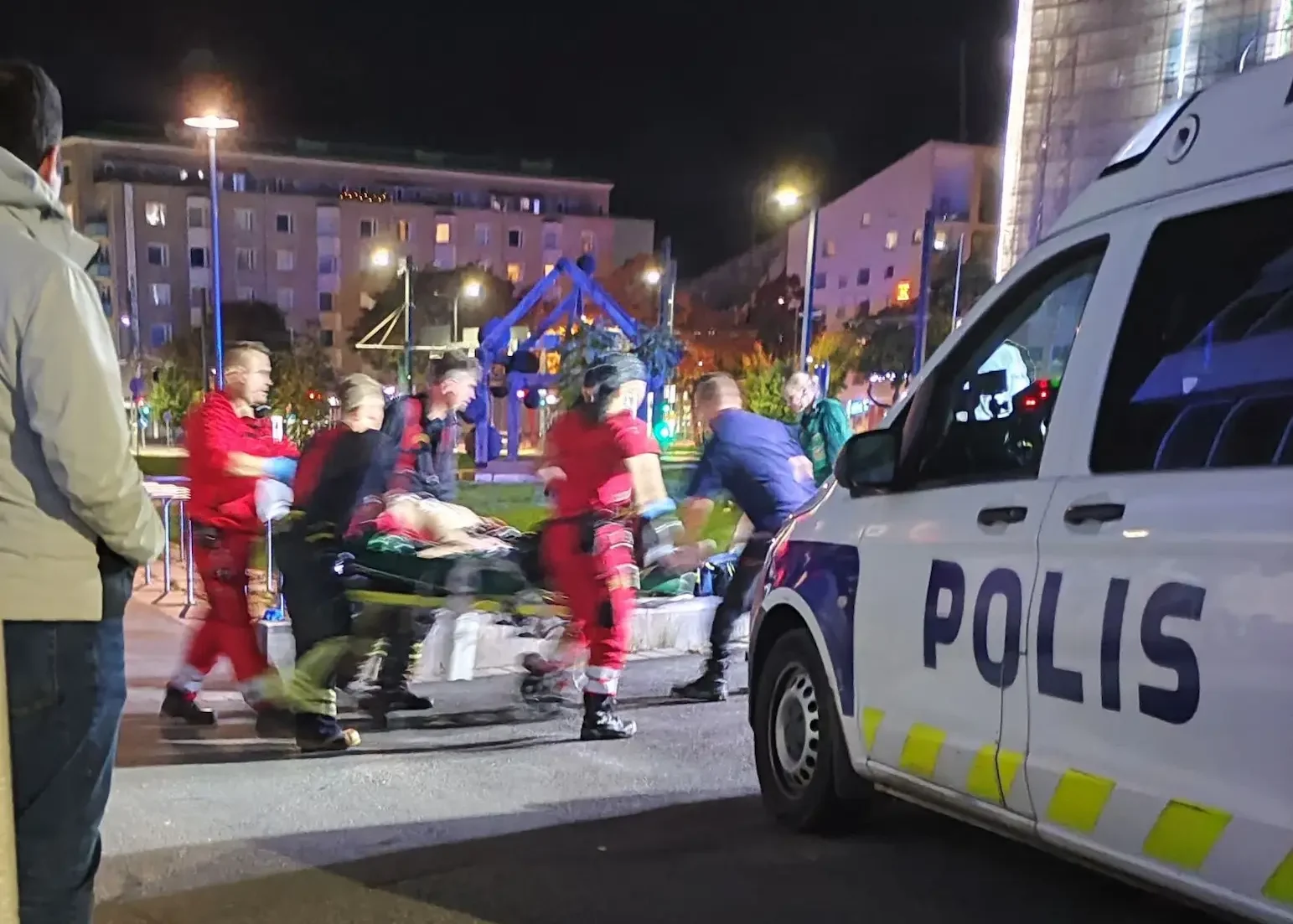
Here is a roundup of the latest CPR training trends, including key programs and developments in the first aid industry worldwide, as well as advancements in medical device manufacturing, guideline development, and public health initiatives aimed at enhancing cardiac arrest response. The past week has been dominated by major updates to international and national resuscitation guidelines, alongside training expansions and research advancements. Let’s review them:
Major Guideline Updates
American Heart Association (AHA) Releases 2025 CPR and Emergency Cardiovascular Care (ECC) Guidelines: On October 27, the AHA unveiled its first major update since 2020, introducing a unified “Single Chain of Survival” to streamline bystander, EMS, and post-arrest care. Key changes include enhanced adult choking protocols, naloxone administration for opioid-related arrests, and a cautious stance on mechanical CPR devices (recommending manual compressions first due to mixed evidence). The guidelines emphasize opioid response integration and recovery support for survivors. Field experts note that while devices remain useful in prolonged transports, manual CPR is prioritized for better outcomes in most scenarios.
The new 2025 AHA and ERC guidelines emphasize manual chest compressions as the primary method for CPR, citing insufficient evidence to support routine use of mechanical devices. While tools like a CPR machine may be helpful in specific scenarios, high-quality manual compressions remain the gold standard for most cases. It is worth mentioning that CPR instructors worldwide have 90 days to align themselves with the new CPR training guidelines.
European Resuscitation Council (ERC) 2025 Guidelines Launch: It was released on October 31 and aligns closely with the AHA’s updates. The EU guideline focuses on evidence-based BLS (Basic life support) protocols, long-term survivor care, and a simplified Chain of Survival. Highlights include stronger calls for public access defibrillators (PADs) and dispatcher-assisted CPR. The executive summary is available for free download, targeting trainers and policymakers on the links below.
These guidelines, developed by the International Liaison Committee on Resuscitation (ILCOR), represent a global push toward standardized, accessible training—potentially boosting demand for updated mannequins, apps, and certification courses in the $1B+ CPR training market.


CPR Training Trends and Accessibility Initiatives
Expanded Pediatric AED and CPR Training in Kansas: On October 30, Seward County Community College announced a low-cost ($15) Pediatric First Aid, Child & Infant CPR, and AED workshop for November 8, targeting parents, educators, and caregivers. With only 12 spots, it highlights the growing demand for specialized youth-focused programs amid rising cardiac events in children (registration link).
Industry Safety Incorporates CPR Training: The Ohio Natural Energy Institute wrapped up an Employee Safety Training on October 29, including CPR, AED use, and emergency response modules. This reflects broader integration of CPR training into high-risk sector training, potentially influencing corporate wellness budgets.
Security Guard Certification Adds CPR Option: Regal Security Inc. in Ontario, Canada, launched a November 17-21 Basic Security Guard Training course on October 29, with an optional Standard First Aid/CPR day for $69.99. This ties into regulatory requirements for guards, expanding CPR certification in the private security sector.


Research and Data Insights
Machine Learning Model for Perioperative CPR Outcomes: A October 28 JAMA Network Open study introduced COMPASS, an AI tool using preoperative data to predict 30-day mortality and discharge needs after in-hospital CPR. Extreme gradient boosting models showed high accuracy, which could guide surgical protocols and reduce liability for device/training providers.
CARES Registry 2024 Report on Bystander CPR: Released October 29, the Cardiac Arrest Registry data showed U.S. bystander CPR rates at 41.7%, AED use at 12.6%, and EMS response times averaging 6.4 minutes—up slightly from prior years. This underscores the impact of training investments, with survival rates potentially rising 20-30% in high-compliance areas.
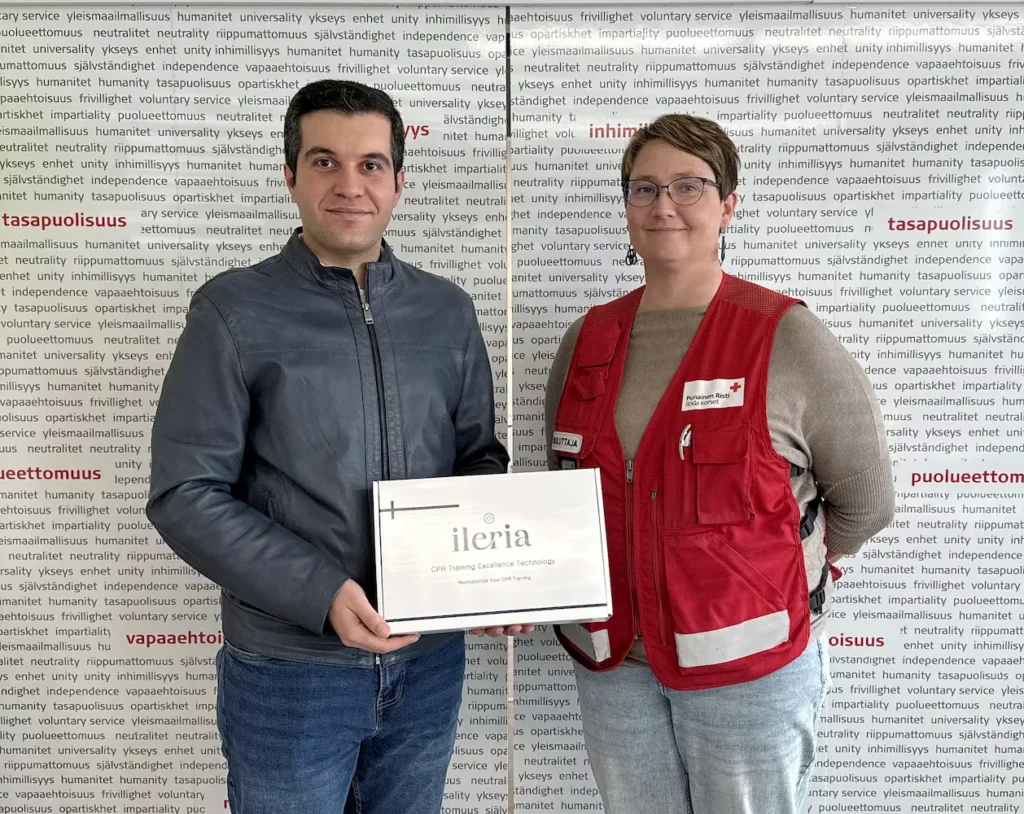
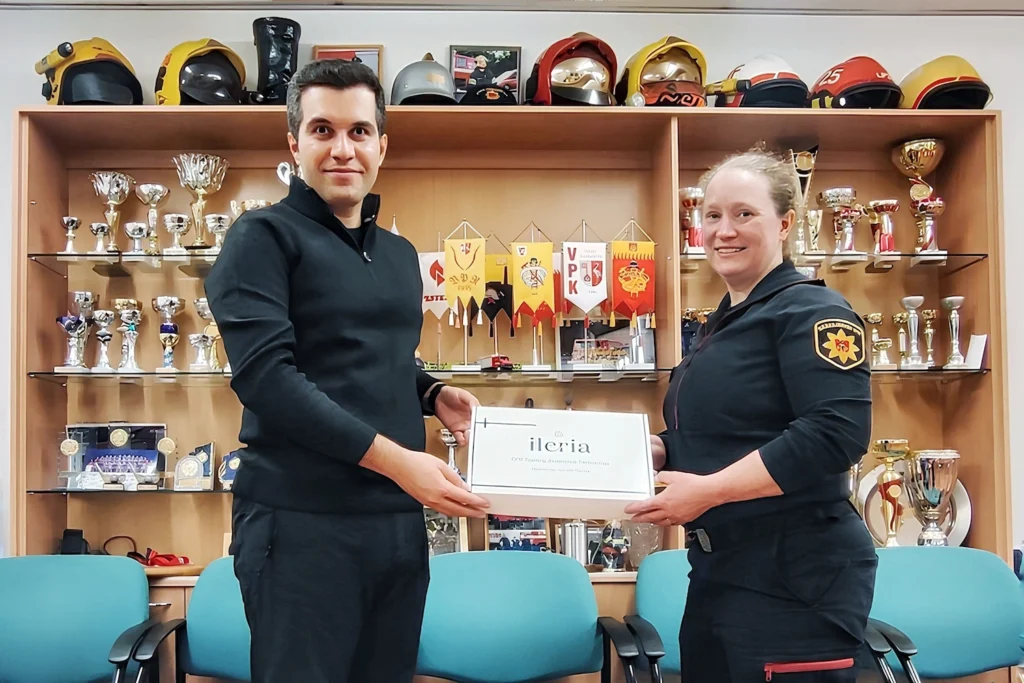
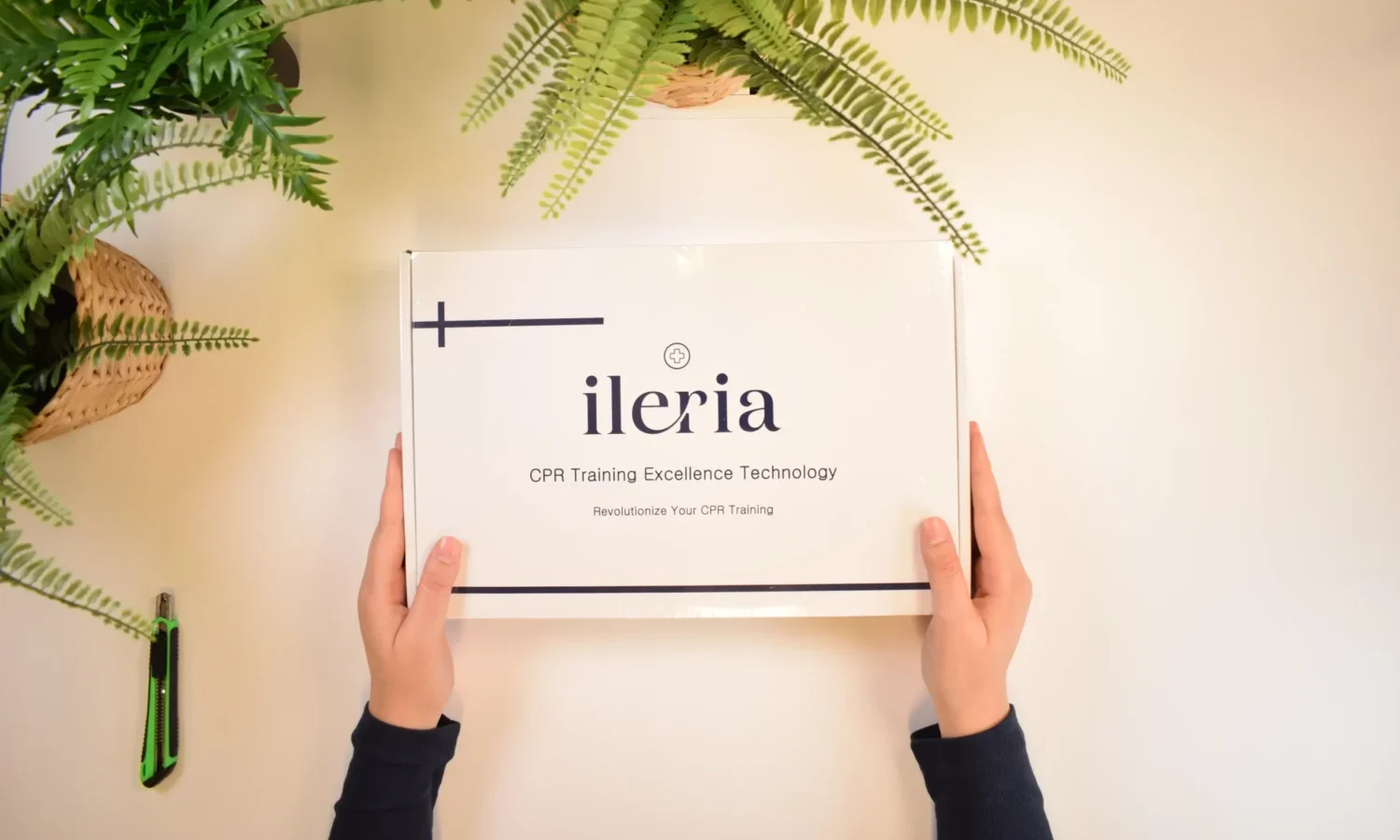
2025 Pilot data from Ileria in Finland: The pilot further highlights the cost of CPR errors among non-EMS first responders, such as firefighters and police, where rib fractures can result in up to €25,000 in recovery and insurance costs per case — reinforcing the need for skill-based tracking and more efficient data-driven approaches among the new CPR training trend.
Global and Public Health Perspectives
India’s Low Bystander CPR Rates Highlight Training Gaps: An October 29 Observer Research Foundation analysis revealed bystander CPR in only 1.3-9.8% of Indian cardiac arrests, with survival under 10% (vs. 20-30% in trained nations). Experts call for mandatory school/workplace programs to combat misinformation, signaling opportunities for international training firms. Ileria is initiating new CPR training trends targeting to help save lives in India.
Real-Life CPR Success Story: On October 28, South African medics saved a gym-goer via on-site CPR after cardiac arrest, emphasizing community training’s role in the fitness industry.
Overall, the week signals a pivotal moment for the CPR sector, with guideline refreshes likely to drive innovation in devices and digital training tools. Survival rates could improve significantly if adoption is swift—public health orgs like AHA project 10-15% gains from better bystander engagement. For more details, check Ileria’s CPR technology, helping in training first aid more efficiently based on the performance data.